
Is Cheese, Coffee, or Dairy Even Carnivore? Your Questions, Answered
The most common questions I get about what "counts" as carnivore, and the pragmatic answers that make carnivore sustainable.


The fastest way to get overwhelmed by carnivore is to read ten different people online drawing ten different lines about what’s “allowed”. Here’s the truth: there’s a strict version and a flexible version, and the right one is the one you’ll actually sustain. These are the questions I get asked most, answered the way I’d tell a friend.
What does the carnivore diet actually consist of?
Animal foods: meat, poultry, fish, eggs, and animal fats like butter and tallow — plus dairy if you tolerate it. The strictest version is just meat, salt, and water. Most people, including me, land somewhere more livable. If you’re brand new, my free 7-Day Meal Plan shows exactly what a real week looks like.
Is cheese carnivore?
For most people, yes — it’s an animal food that adds fat, flavor, and variety. Aged, hard cheeses are lowest in lactose and easiest to digest. The caveat: dairy is a common trigger for inflammation, stalls, or digestive issues, so if something feels off, dairy is the first thing worth eliminating to test.
Can you have cottage cheese?
Yes, if you tolerate dairy. Stick to full-fat, plain versions with no gums or additives. It’s a great no-prep, high-protein snack when you want variety.

What about coffee and tea?
Technically they’re plant-based, so a strict carnivore would skip them. But plenty of people (me included) keep their coffee or herbal tea and feel fine. Just keep it clean — no sugar, no seed-oil creamers. If you don’t love it black, a splash of heavy cream or a little organic butter blended in is the carnivore-friendly move.
Do I have to eat organ meats?
No — they’re nutritional gold, but not mandatory. I include a little beef liver once or twice a week, usually hidden in ground beef. If the taste isn’t for you, desiccated organ capsules are a fine fallback. (I’ve got a whole gentle on-ramp for organ meats coming in an upcoming post.)
How much should I eat?
Protein-first, to appetite. A common starting point is around 6 oz of cooked meat per meal, adjusted to your hunger — animal food is satiating, so you may naturally eat less often. For the real numbers, see how much protein you actually need.
Do I need to eat grass-fed and organic?
It’s a nice-to-have, not a requirement. Conventional meat still nourishes you; grass-fed and pasture-raised are upgrades you can grow into as budget allows. Don’t let “perfect” stop you from starting — buying conventional cuts on sale and in bulk gets you eating this way affordably.
Can my family eat this way too — even my picky toddler?
Yes, without cooking two dinners. The trick is building meals around a shared protein and letting everyone add their own sides. That’s the whole premise of how I feed my kids.
What about salt?
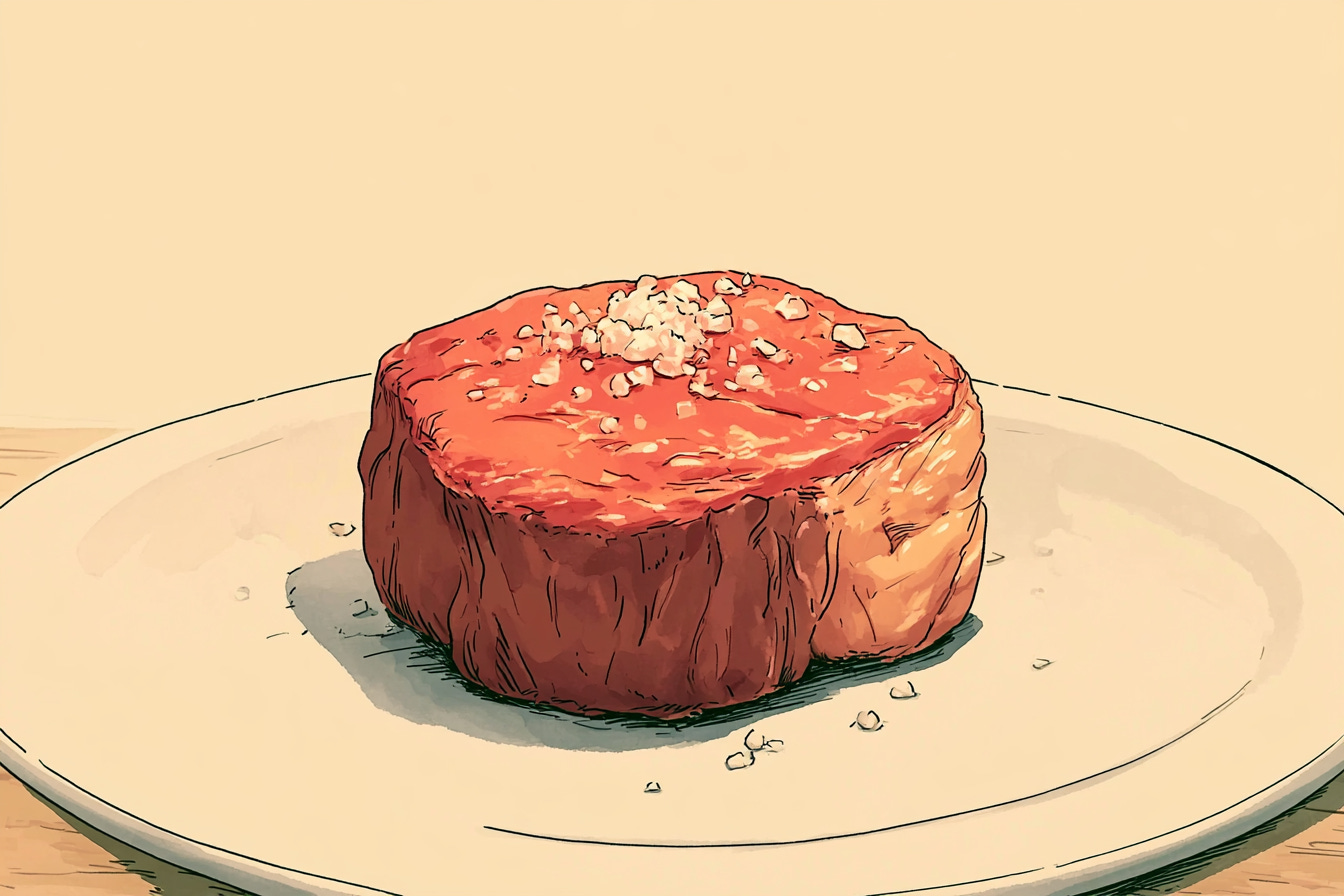
Season generously — most people actually need more salt on this way of eating, not less. Just choose a clean salt without heavy-metal contamination, which I dug into in my salt post.
The bottom line
Don’t let the internet’s purity contests stall you. Start with meat, eggs, and fat; add dairy and coffee if they work for you; tighten up only if you have a reason to. The best version of this diet is the nourishing one you can actually live on.
Subscribe below — and drop your own question in the comments; I’ll answer it in the next round.